
Dangerous goods in shipments
The transport of dangerous goods is one of the specialized services offered by Ibercóndor. This type of transport involves moving goods that may be harmful or hazardous to safety or health.
It’s important to note that these types of goods require specific conditions to comply with both national and international regulations. For this reason, it’s essential to work with a specialized company.
In this article, we will explain what dangerous goods are and how transport operations for these types of goods should be carried out.
What is a dangerous good?
The DGT defines dangerous goods as those materials and objects whose transport by road is either prohibited or only allowed under the conditions established in the European Agreement concerning the International Carriage of Dangerous Goods by Road (ADR) or other specific regulations, and which require a special permit for transport.
These are goods that may pose a risk to health, the environment, or property, which is why their transport is governed by strict global regulations to ensure maximum safety.
Some examples include explosives, flammable gases and liquids, corrosive materials, or certain toxic substances. Products like bleach, gasoline, or certain medicines must follow a set of guidelines to minimize the risk of accidents.
Classes of dangerous goods
In addition to understanding what they are, it’s crucial to know their classification to carry out transport operations successfully.
The UN Committee of Experts has developed, based on the characteristics and hazards, a classification of dangerous materials:
- Explosive materials and objects: with a risk of explosion, fire, or expansion
- Gases: flammable, non-flammable, or toxic
- Flammable liquids
- Flammable solids or substances
- Oxidizing substances
- Toxic or infectious substances
- Radioactive substances
- Corrosive substances
- Miscellaneous dangerous substances and objects, including environmentally hazardous substances
This classification applies to all transport modes: road, maritime, air, and rail.
How to ship these types of goods
At Ibercóndor, we offer a transport service by road, sea, air, and rail. Before deciding on the appropriate type of transport for your dangerous material, it’s important to consider two variables: the cargo and the route it will take.
Road transport of dangerous goods is the most commonly used method. This is because most communication routes pass through densely populated cities that offer road transit. In Spain, road transport of dangerous goods is the leading mode, accounting for 75% of all operations.
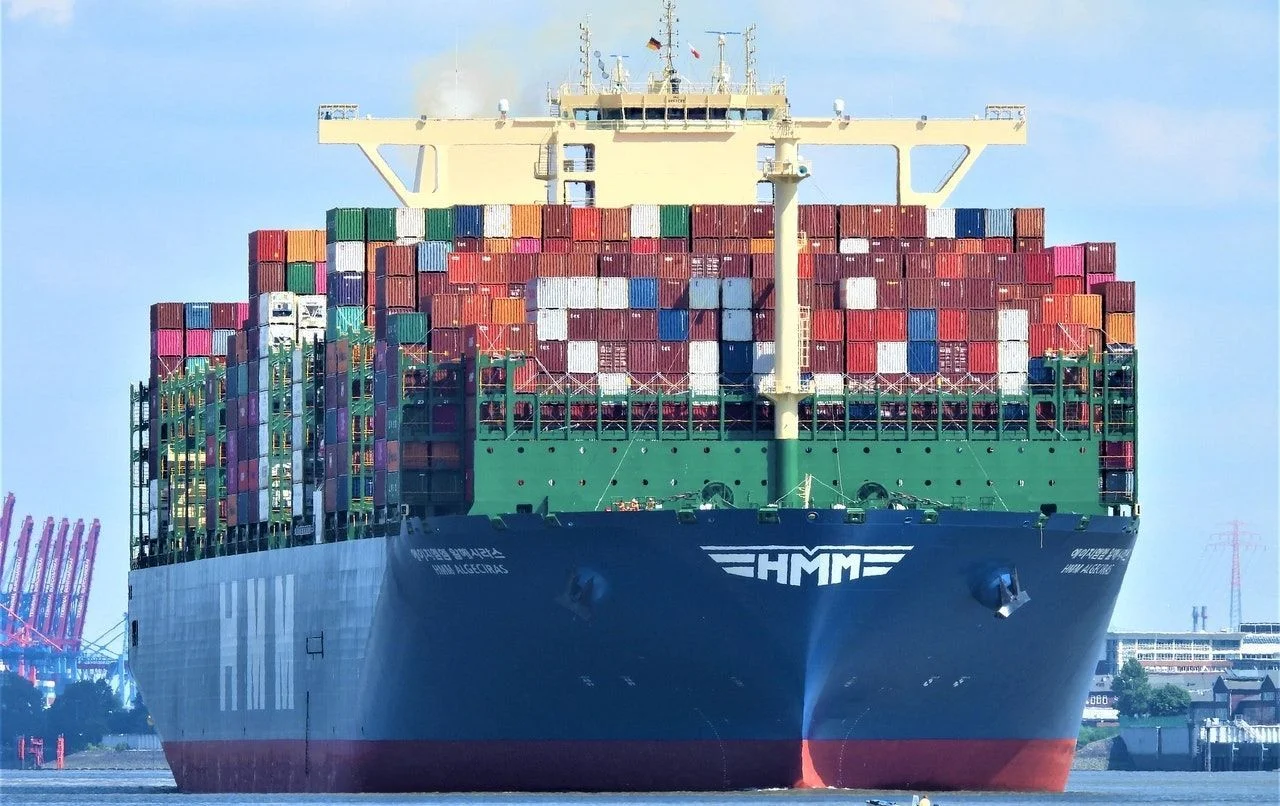
Maritime transport is also a good option for shipping dangerous goods. In fact, it’s estimated that 50% of the goods transported by ship are dangerous goods.
On the other hand, there’s air transport. Although it’s the least used method, it’s usually carried out on cargo planes, with the possibility of using passenger planes as well.
Shipping these goods requires following a series of guidelines:
- Vehicles must display two orange rectangular panels with black borders and numbers, visible at the front and back of the vehicle.
- These vehicles must also have passed inspections.
- Appropriate labeling must be used for each good, in accordance with legal stipulations.
- The person responsible for transporting dangerous goods must be knowledgeable about safety conditions and know how to act in the event of an accident.
- It’s essential to complete all the documentation for dangerous goods transport correctly and ensure all paperwork is ready.
- The packaging of dangerous goods must guarantee that they pose no risk during transit.
Other recommendations for safe dangerous goods transport include purchasing insurance, due to the high risk associated with these shipments, and planning the shipment well in advance, as it’s a more complex and lengthy process than a standard shipment.
Regulations for dangerous goods transport
Each mode of transport has its own specific regulations.
The road transport of dangerous goods is regulated by the European Agreement concerning the International Carriage of Dangerous Goods by Road (ADR). This European agreement governs packaging, transport, documentation, and other aspects such as loading, unloading, and storage of these goods.
For maritime transport of dangerous goods, the relevant regulation is the International Maritime Dangerous Goods Code (IMDG). This code dictates how goods should be packaged, labeled, and stowed on ships.
Finally, the air transport of dangerous goods is regulated by the International Air Transport Association (IATA) and the International Civil Aviation Organization (ICAO).
Lastly, RID is the Regulation concerning the International Carriage of Dangerous Goods by Rail.
At Ibercóndor, we specialize in the transport of dangerous goods. Our staff will guide you through the entire process, from specific packaging to preparing the necessary documentation for transport.